

Time Machine
The Time Machine is a small book by Herbert George Wells, who is an interesting person in his own right, a journalist, historian, sociologist, and novelist. "The Time Machine" was one of his earlier small books, but it was identified as "the birth of science fiction".
The story is suitable to read in one sitting, and the debate about time between a group of people at the beginning constantly brings the joy of thinking, in fact, they represent all kinds of stereotypes. Then the story unfolds with the clues of the time traveler, reality and telling begin to intertwine, and it reads very real, and the picture of the future is revealed, which is an unimagined world (802701 AD). After the narration, the time traveler sets off again, and until the end of the story, we are waiting for his return.
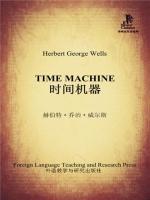
The meaning of the story is diverse, and I think he may have put forward the idea that only the renewal of science and technology and the improvement of human humanity, it is difficult to regard this development as the progress of society. At that time, the 19th century was coming to an end, and looking back at the flashy dust of the steam revolution, the blindness of human development had been revealed. Although the story has the tone of British culture in the steam age, it raises questions that are ahead of its time. The Buddha spoke of the last Dharma era, in which people are extremely intelligent and unwise, do not also penetrate time to raise the same worries. I took the Chinese and English version of Donghua University Press, and I personally like this copperplate print and hand-painted style cover pattern, the ink is clear and pleasing to the eye.


 京公网安备 11010802032529号