

reflection
柳秀梅
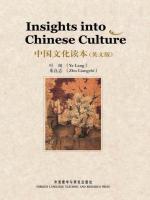
A Window into the Soul of China: A Review of A Reader of Chinese Culture
A Reader of Chinese Culture is far more than a book—it is a vivid,
accessible bridge that connects global readers to the profound and
diverse tapestry of China’s heritage. Tailored for both curious
beginners and those with a basic grasp of Chinese culture, this reader
strikes a perfect balance between depth and readability, making it a
standout resource in cross-cultural literature. What immediately
impresses readers is the book’s thoughtful structure. Instead of
overwhelming readers with fragmented facts, it organizes content around
core themes: traditional festivals, philosophical schools, art forms,
and daily customs. Each chapter opens with a captivating
anecdote—whether it’s the lively bustle of the Spring Festival, the
quiet wisdom of Confucian teachings, or the delicate art of making
tea—and then dives into historical context and cultural significance.
For example, the section on the Mid-Autumn Festival does not merely list
customs like mooncake-eating and lantern-viewing; it explains how these
practices reflect the Chinese value of family reunion, tracing their
roots back to ancient moon-worshipping rituals. This narrative approach
turns dry cultural knowledge into engaging stories that stick in the
mind. Another strength of the book is its inclusivity. It does not
focus solely on well-known cultural symbols like the Great Wall or
pandas; instead, it delves into lesser-known but equally meaningful
aspects of Chinese life. Readers will learn about the art of
paper-cutting, a folk craft passed down through generations in rural
China, and the philosophy of Taoism, which emphasizes harmony with
nature. The book also touches on modern cultural developments, showing
how traditional practices have evolved in contemporary society—such as
how young people now celebrate the Dragon Boat Festival with competitive
dragon boat races while still honoring the memory of Qu Yuan. This blend
of old and new helps readers understand that Chinese culture is not a
static relic but a living, breathing tradition. The language of the
book is clear and concise, avoiding overly academic jargon. This makes
it suitable for a wide audience, from students learning about world
cultures to travelers preparing for a trip to China. The inclusion of
beautiful illustrations—such as photos of ancient calligraphy,
traditional costumes, and festival scenes—adds a visual dimension to the
text, making the content even more immersive. If there is one minor
flaw, it is that some topics could have been explored in greater depth.
For instance, the section on Chinese opera only briefly mentions Peking
Opera and Cantonese Opera, without delving into their unique musical
styles and performance techniques. However, this is a small oversight in
an otherwise comprehensive book. In conclusion, A Reader of Chinese
Culture is an essential read for anyone who wants to understand China
beyond stereotypes. It offers a warm, insightful, and balanced
perspective on a culture that has shaped the world for thousands of
years. More than just a textbook, it is a companion that invites readers
to explore, appreciate, and connect with the rich heritage of China.
Whether you are a student, a traveler, or simply a curious reader, this
book will leave you with a deeper understanding of the people and
traditions that make China so fascinating.

 京公网安备 11010802032529号