


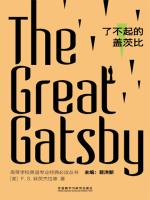
The Great Gatsby
Dawn
F. Scott Fitzgerald’s The Great Gatsby is a compact yet powerful
critique of the American Dream, set in the glitzy Jazz Age. At its heart
is Jay Gatsby, a self-made millionaire obsessed with winning back his
lost love, Daisy Buchanan. His relentless pursuit of wealth and an
idealized past exposes the emptiness of the era’s excess—and the
fragility of a dream that promises success but delivers disillusionment.
Fitzgerald uses Gatsby as a symbol of blind hope: his lavish parties
mask a lonely longing, and his devotion to Daisy reveals how the upper
class’s shallowness crushes genuine emotion. Narrator Nick Carraway’s
outsider perspective lays bare the moral decay beneath the 1920s’
glitter, from greed to class division. The novel’s iconic line—“so we
beat on, boats against the current”—captures the universal struggle to
move forward while clinging to what’s lost. Though short, The Great
Gatsby remains timeless because it asks a question still relevant today:
what does it cost to chase a dream that was never truly attainable? It’s
a haunting reminder that wealth and status can never fill the void of
unfulfilled desire.

 京公网安备 11010802032529号