

读后感
用户824010
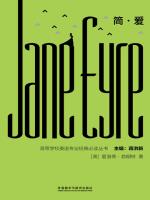
Charlotte Brontë’s Jane Eyre is far more than a classic romance; it is a
stirring anthem of self-respect, independence, and the relentless
pursuit of genuine equality. First published in 1847 under the pseudonym
Currer Bell, the novel follows the eponymous protagonist from her bleak,
abused childhood at Gateshead Hall to her transformative years as a
governess at Thornfield Hall, where she falls for the brooding,
enigmatic Edward Rochester. What makes Jane Eyre enduringly powerful
is Jane’s unyielding spirit. Rejecting the societal expectations that
confined women of her era to passivity and obedience, she demands to be
seen as a whole person—“equal in the sight of God”—rather than a mere
object of care or desire. Her romance with Rochester is rooted in
intellectual and emotional parity, not wealth or status, making their
bond feel raw and authentic. Brontë’s prose is sharp and introspective,
laying bare Jane’s hopes, anger, and longing with unflinching honesty.
While the novel’s gothic twists—from the mysterious fires at Thornfield
to the shocking secret in its attic—add drama, its true heart lies in
Jane’s quiet rebellion. More than 170 years later, her voice still
resonates with anyone who has ever fought to claim their place in the
world. Jane Eyre is not just a story of love; it is a testament to the
strength of a woman who refuses to be broken.

 京公网安备 11010802032529号