

Scott Fitzgerald’s T
用户866797
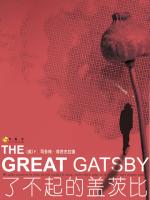
F. Scott Fitzgerald’s The Great Gatsby is far more than a tragic love
story; it is a piercing critique of the Jazz Age and the hollow American
Dream. The novel centers on Jay Gatsby, a mysterious self-made
millionaire who devotes his life to winning back Daisy Buchanan, his
former lover trapped in a loveless marriage with the wealthy, cruel Tom
Buchanan. Gatsby’s lavish parties, grand mansion and endless devotion
all serve his desperate wish to recreate the past, yet his pure longing
clashes sharply with the moral emptiness of the upper class. Fitzgerald
uses vivid symbols like the distant green light at Daisy’s dock— a sign
of Gatsby’s unreachable dream—and the Valley of Ashes to expose the
corruption behind wealth and the shallowness of materialism. In the
end, Gatsby’s tragic death, ignored by everyone except narrator Nick,
reveals the coldness of a society driven by money. This masterpiece
remains timeless, reminding readers that wealth can never buy love,
happiness or the chance to redo the past.

 京公网安备 11010802032529号