

A Review of Uncle
用户862074
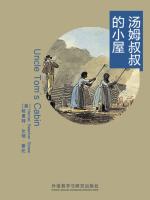
Uncle Tom’s Cabin, written by Harriet Beecher Stowe and published in
1852, is far more than a novel—it is a powerful political and moral
manifesto that played a pivotal role in shaping the American Civil War
and the abolition of slavery. Often called “the book that started the
great war” by President Abraham Lincoln, this work uses vivid characters
and heart-wrenching stories to expose the cruelty of slavery, challenge
the hypocrisy of a nation that claimed to value “liberty and justice for
all,” and advocate for the humanity of enslaved people. While some
modern critics argue that its characterizations are overly sentimental
or even stereotypical, the novel’s historical significance and enduring
message of empathy make it an essential piece of American literature.
One of the novel’s greatest strengths is its unflinching exploration of
themes of humanity, faith, and resistance. Stowe’s core argument is
clear: slavery is not just a political institution, but a moral evil
that dehumanizes both the enslaved and the enslavers. Through the
character of Tom, she presents a model of quiet resistance rooted in
Christian faith—Tom’s kindness, forgiveness, and refusal to betray his
fellow slaves, even in the face of brutal punish

 京公网安备 11010802032529号