

Book Review
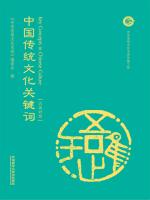
Traditional Chinese culture, with a history of more than five thousand years, is an extensive and profound spiritual treasure of the Chinese nation. For ordinary readers, however, the profound and scattered traditional cultural thoughts are often difficult to systematically grasp. The book Key Concepts in Chinese Culture perfectly solves this problem. It abandons rigid and lengthy historical narrations and condenses the essence of Chinese civilization into a series of core cultural keywords, allowing readers to approach, understand and inherit traditional Chinese culture from an accurate and focused perspective. This book is not only a concise cultural reference book but also a bridge connecting ancient Chinese civilization and modern values, which is worthy of in-depth reading and reflection.
The biggest feature of this book lies in its unique keyword-based compilation logic. Different from general cultural popular science books that follow chronological or thematic narratives, it selects the most representative core concepts covering philosophy, ethics, aesthetics, life customs and social governance, such as benevolence, propriety, harmony, the Mandate of Heaven, and artistic conception. Each keyword is explained with origin, connotation, historical evolution and practical manifestation. This modular writing method dismantles the complex and grand traditional cultural system into easy-to-understand knowledge units. It enables readers to clearly sort out the ideological context of Chinese culture and avoid the confusion of fragmented cultural cognition. Whether for cultural learners or foreign readers who want to understand China, this intuitive and systematic interpretation is extremely friendly.
In terms of ideological connotation, the book focuses on interpreting the spiritual core of traditional Chinese culture rooted in the integration of Confucianism, Taoism and Buddhism. It takes “harmony” as the core clue running through the whole book. Confucianism advocates harmony in interpersonal relationships, emphasizing benevolence, righteousness, propriety and filial piety to maintain the order of families and society. Taoism pursues harmony between human and nature, advocating conforming to the way of nature and maintaining inner peace. These concepts are not empty theoretical preachings in the book, but are combined with ancient life scenes, classic works and social rituals for detailed analysis. The book also points out that these traditional concepts are not outdated ancient dogmas, but have enduring vitality. For example, the concept of harmony is still the core of Chinese interpersonal communication, social governance and even foreign diplomacy today, fully reflecting the continuity and vitality of Chinese civilization.
What makes this book particularly valuable is its awareness of connecting tradition with modernity. It does not blindly deify traditional culture, but objectively analyzes the contemporary value and innovative significance of traditional cultural keywords. In the modern society where material life is abundant but people are prone to anxiety and impetuosity, the traditional concepts of self-cultivation, temperance and modesty provide spiritual guidance for modern people’s inner growth. The ancient pursuit of ecological balance and coexistence between human and nature also echoes the modern concept of ecological civilization construction. In addition, the book also explains the unique aesthetic concepts of traditional culture, such as the artistic conception of poetry and painting, the elegance of traditional festivals, and the charm of handicrafts, letting readers realize that traditional culture is not rigid historical heritage, but a way of life that can nourish modern life.
Admittedly, the book also has minor limitations. Due to the limitation of keyword selection and space, it cannot cover all branches and details of traditional Chinese culture, and the interpretation of individual professional cultural concepts is relatively superficial. However, as a popular and introductory work of traditional culture, its core positioning is to popularize cultural cognition and spread core values, and it has perfectly achieved this goal.
To sum up, Key Concepts in Chinese Culture is an excellent guide to traditional Chinese culture. It uses simple language and clear logic to unlock the spiritual code of Chinese civilization, helping readers establish a systematic and three-dimensional cognition of traditional culture. In the era of cultural inheritance and cross-cultural communication, this book not only helps Chinese people inherit excellent traditional culture and build cultural confidence, but also provides a standardized and vivid cultural interpretation for the world to understand China. It is a readable and valuable cultural work worthy of recommendation.

 京公网安备 11010802032529号