

Review
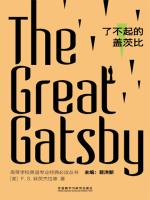
F. Scott Fitzgerald’s The Great Gatsby is widely regarded as one of the greatest American classics. More than a tragic love story, it is a powerful reflection on the Jazz Age and a profound criticism of the broken American Dream.
Set in the luxurious yet hollow 1920s, the novel is narrated by Nick Carraway, who witnesses the rise and fall of his mysterious neighbor Jay Gatsby. Born poor, Gatsby reinvents himself, accumulates enormous wealth, and holds grand parties every weekend, all for one single purpose: to win back his lost love Daisy Buchanan. To Gatsby, Daisy represents his perfect dream—the youth, wealth and happiness he has always longed for. He firmly believes that he can repeat the past and rewrite his fate through hard work and devotion.
What makes this novel heartbreaking is the cruel gap between dream and reality. Gatsby’s endless efforts are in vain. Daisy, the shallow and selfish symbol of his dream, finally chooses her wealthy husband Tom. Gatsby ends up lonely, misunderstood and killed, with almost no one attending his funeral after years of glamorous parties. Fitzgerald sharply contrasts “new money” Gatsby with the cold, privileged “old money” class, exposing the moral emptiness and hypocrisy of high society.
The most impressive symbol in the book is the green light at the end of Daisy’s dock. It stands for Gatsby’s hope, obsession and the unattainable American Dream. It always looks close enough to reach, yet forever slips away.
In my opinion, The Great Gatsby is not just a story of love and loss. It reveals a universal truth: pure passion cannot defeat a corrupt, materialistic world. Gatsby is “great” not because of his wealth, but because he keeps faith in his dream until the very end. This timeless novel still inspires readers to reflect on ambition, illusion and the true meaning of happiness.

 京公网安备 11010802032529号