


The Illusion of the
张倍溥
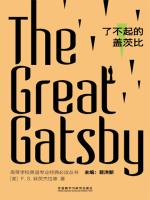
Reading F. Scott Fitzgerald’s The Great Gatsby is akin to witnessing a
dazzling fireworks display that ultimately fades into a cold, dark sky.
Set against the backdrop of the roaring twenties, this masterpiece is
far more than a tragic love story; it is a profound elegy for the
corrupted American Dream and a sharp critique of the Jazz Age's moral
decay. Jay Gatsby stands as a monumental figure of romantic idealism in
a deeply cynical world. His relentless pursuit of Daisy Buchanan is not
merely about winning back a lost lover, but an obsessive attempt to
rewrite his past and transcend his humble origins through immense
wealth. The green light at the end of her dock serves as a powerful
symbol of his unattainable aspirations. However, Fitzgerald masterfully
exposes the fragility of this dream. Gatsby fails to realize that the
real Daisy is fundamentally different from the flawless goddess he has
constructed in his mind. Her voice, as Nick astutely observes, is
"full of money," revealing her ultimate allegiance to
old-money privilege rather than genuine affection. The novel’s most
devastating blow lies in its portrayal of the upper class. Characters
like Tom and Daisy represent a careless, destructive elite who smash up
things and people, then retreat behind their vast fortunes, leaving
others to clean up the mess. Gatsby’s lavish parties attract hundreds of
moths-like guests, yet his funeral is attended by almost no one,
highlighting the profound emptiness and hypocrisy of a society driven by
materialism. Ultimately, The Great Gatsby leaves me with a lingering
sense of melancholy. It reminds us that while hope and ambition are
essential human traits, pursuing illusions built upon superficial values
leads inevitably to ruin. We are all, in some way, boats beating against
the current, borne back ceaselessly into the past, searching for a green
light that may forever remain just out of reach.

 京公网安备 11010802032529号