

Review
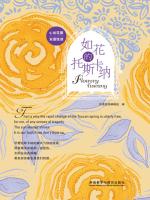
Frances Mayes’ memoir Under the Tuscan Sun is far more than a travel chronicle or a house renovation story. First published in 1996, this timeless work captures the intoxicating beauty of Tuscany and records the author’s intimate journey of healing, growth and self-rediscovery. With lyrical prose and sensory, down-to-earth observations, Mayes transforms a risky life change into a universal meditation on slowing down, embracing uncertainty, and finding beauty in ordinary life, making the book a warm, immersive classic that continues to resonate with readers worldwide.
The book centers on Mayes’ bold decision to abandon her busy, stressful life in San Francisco and purchase an abandoned, dilapidated old villa named Bramasole in the rural hills of Cortona, Tuscany. What begins as an impulsive attempt to escape the burnout of modern urban life gradually evolves into a profound reconnection with life itself. The villa is crumbling, overgrown with weeds and plagued with structural problems, and its renovation is filled with endless trivial troubles, unexpected accidents and tedious manual work. Yet it is precisely these tough, unglamorous renovation experiences that lay the foundation for the book’s genuine and touching tone. Mayes does not romanticize her life in Italy; instead, she truthfully records every struggle and every small gain in the process of rebuilding her home and her life.
What makes Under the Tuscan Sun uniquely charming is its exquisite sensory depiction of Tuscan life. Mayes is a master of capturing subtle, warm details that awaken readers’ senses. She vividly portrays the golden sunlight draping over rolling vineyards and olive groves, the fresh fragrance of seasonal fruits and vegetables in local rural markets, the rich flavor of homemade Italian cuisine, and the slow, warm pace of local villagers’ lives. Every meal, every garden pruning, every casual conversation with neighbors and craftsmen becomes a delicate vignette of rural Italian life. These trivial and tender details break the stereotype of exotic travel writing, allowing readers to truly feel the texture and temperature of life in Tuscany, rather than merely appreciating superficial scenery.
Beneath its beautiful pastoral appearance, the memoir explores profound themes of transformation and healing. Suffering from emotional confusion and life exhaustion in her urban life, Mayes finds solace and strength in the land of Tuscany. The renovation of the old villa is essentially a process of self-rescue and self-renewal. As she repairs broken walls, tidies up overgrown gardens and injects new vitality into the old house, she also heals her inner anxiety and confusion. She learns to slow down from the fast-paced urban rhythm, to wait patiently for the growth of plants, to appreciate the beauty of seasonal changes, and to understand the true meaning of happiness lies in dedication and immersion rather than impetuous pursuit. Meanwhile, the book also highlights the warmth of community and interpersonal connection. The simple local craftsmen, kind neighbors and casual social interactions let Mayes integrate into a new cultural environment and regain a sense of belonging.
Admittedly, the book has inevitable limitations, which have sparked mild discussions among readers. Mayes’ life-changing choice is based on unique personal conditions: as a university professor with stable savings and free time, she has the privilege to abandon urban life and invest a lot of time and money in renovating a foreign villa. This kind of romantic rural adventure is unattainable for most ordinary people, and the book rarely involves the real trivial hardships and predicaments of grassroots life in Tuscany, which makes its pastoral ideal somewhat detached from real social reality. However, this flaw does not overshadow the book’s value. Mayes’ sincere perception of life and beautiful interpretation of ordinary happiness are universal and can resonate with every reader who is tired of impetuous modern life.
In conclusion, Under the Tuscan Sun is a warm and healing literary work beyond time and region. It is not only a beautiful love letter to Tuscany’s mountains, rivers, food and customs, but also a precious spiritual guide for modern people. In an era when people are generally anxious and eager for quick success, Mayes’ records remind us that life’s most precious beauty often hides in slow time, trivial labor and sincere interpersonal relationships. It teaches us that life is full of possibilities, and taking a brave step out of the comfort zone is always the beginning of self-transformation. This tender, elegant and powerful memoir is worth reading repeatedly, bringing warmth and strength to every reader who longs for a sincere and beautiful life.

 京公网安备 11010802032529号